Soil Pollinator Health
UNDERSTAND  MANAGE  PROTECT

Help uncover where Europe’s bees live

Many of Europe’s wild bees nest underground — in soil, sand, banks, paths, and even between tree roots. Despite their importance for pollination, these ground-nesting bees remain surprisingly understudied.

ProPollSoil invites naturalists, gardeners, walkers, and photographers to help change that. By photographing bee nests and sharing your observations on iNaturalist, you can directly contribute to EU-funded research investigating how soil conditions influence pollinators — and how we can better protect them.

Why your contribution matters
Your observations feed directly into ProPollSoil, an EU-funded project exploring how soil management affects pollinators across Europe. Together, these data will inform conservation, land-use planning, and pollinator-friendly practices — from gardens to farmland.

What to look for

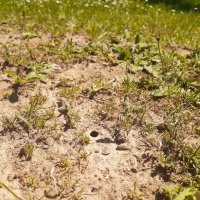
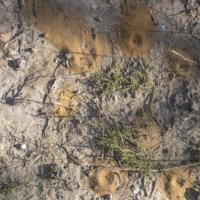
  • Small holes or burrows in bare or lightly vegetated ground
  • Bees entering or exiting the soil
  • Clusters of nest entrances close together

These signs often indicate nesting activity by solitary or social ground-nesting bees.

Follow the link to ProPollSoils EuroBeeSoil iNaturalist project here:
Follow EuroBeeSoil

EuroBeeSoil: Step-by-step field checklist

  • 1. Find a nest site

    Look for nesting activity in gardens, parks, farmland, dunes, woodland edges, paths, banks, lawns, or ground between tree roots. Bees flying low to the ground or repeatedly visiting the same spot are often a good clue.

  • 2. Photograph the nest entrance(s) (essential)

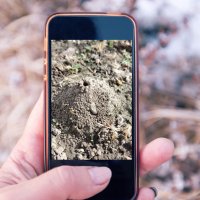
    Please include a clear photo of the ground surface showing one or more nest entrances. Close-ups are ideal, but wider views are also useful. Multiple angles can improve interpretation.

  • 3. Photograph the bee (essential)

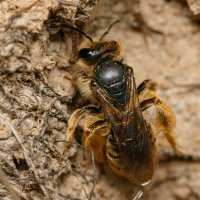
    Try to capture an image of the whole bee, if possible. Photos of a bee entering or leaving the nest are particularly valuable. Do not worry if you cannot identify the species — experts can help.

  • 4. Show the surrounding habitat (recommended)

    Include photos showing nearby vegetation and habitat context, such as whether the area is bare ground, grassland, garden soil, farmland, or natural habitat.

  • 5. Add notes if you can (optional but very useful)

    In the notes field, you may describe:

    Soil texture (e.g. sandy, silty, clay-rich, compacted)
    Moisture conditions (dry, damp, wet)
    Shade or exposure (sunny, partially shaded, shaded)
    Nest density (single nest or many close together)

    Short, approximate descriptions are perfectly fine.

  • 6. Upload to iNaturalist and add to the project

    Upload your observation to iNaturalist and add it to the project “EuroBeeSoil”. You can also add existing iNaturalist observations that include nesting information.

Thank you

Every nest photographed helps build a clearer picture of bees’ hidden lives beneath our feet. If you have questions or suggestions, please contact the project admins — we are keen to hear from you.